Mastering Invoicing for Freelancers in Spain
Definitive guide on the 'Crea y Crece' Law, mandatory electronic invoicing, and best practices to keep your business in compliance with the Tax Agency.

Integrated Sources and Regulations
The Paradigm Shift: Crea y Crece Law 2026
We are in the year 2026, and the invoicing landscape in Spain has undergone the most profound transformation in recent decades. The implementation of the Crea y Crece Law and the VeriFactu system is not just a reality, but the mandatory standard for almost all self-employed professionals and SMEs.
This transition towards total digitalization has fundamental objectives: fighting tax fraud, reducing commercial late payments, and simplifying administrative management. It is no longer just about issuing a piece of paper or a PDF; it is about structured digital communication and, in many cases, real-time reporting to the Public Treasury.
Whether you are a professional who has just completed your freelancer registration or a consolidated company, understanding these new requirements is vital to avoid penalties that can be very substantial.
Key Obligations by Invoicing Levels
Not all businesses have the same deadlines or requirements.
Companies with Turnover > €8M
For months now, large corporations and freelancers with annual turnover exceeding 8 million euros have been required to issue 100% of their B2B invoices in a structured electronic format.
- Full connectivity with public platforms.
- Immediate reporting of invoice status.
VeriFactu
The "Verifiable Invoicing Systems" affect almost everyone paying taxes under direct estimation with more than €1M in income.
Technical Requirement
HASH & QR CODES
Small and Medium Freelancers
For those with less than €8M in turnover, the adaptation period recently concluded in 2026. Electronic invoicing is now mandatory in all business-to-business (B2B) relationships.
View tax calendar →Exception: Modules Regime
Currently, those paying taxes under the modules system maintain certain simplifications, but must stay alert to updates from the Personal Income Tax (IRPF) reform.
Paperless
Digital storage with certified electronic signature legally replaces the physical archive.
Typology of Invoices in Daily Management
Simplified Invoice
Replaces the old tickets. It can only be issued for transactions that do not exceed €400 (VAT included) or €3,000 in certain specific sectors authorized by the Invoicing Regulation.
Corrective Invoice
Essential for correcting errors or processing returns. It must reference the original invoice intended to be modified.
Pro-forma Invoice
It has no accounting or tax value. It is a formal quote detailing the conditions of the future sale before the tax becomes due.
Essential Elements (Checklist)
For an invoice to be valid before the Tax Agency in 2026, it must contain:
- Number and Series: Sequential and without time gaps.
- Issuer and Receiver Data: Full name, Tax ID (NIF/CIF), and fiscal address.
- Description of Transactions: Clear detail of the services or goods delivered.
- Taxable Base: Amount before taxes.
- Tax Rates: Breakdown of VAT quotas (21%, 10%, 4%, or exempt) and IRPF Retention.
- Issue Date: And date of operation if different.
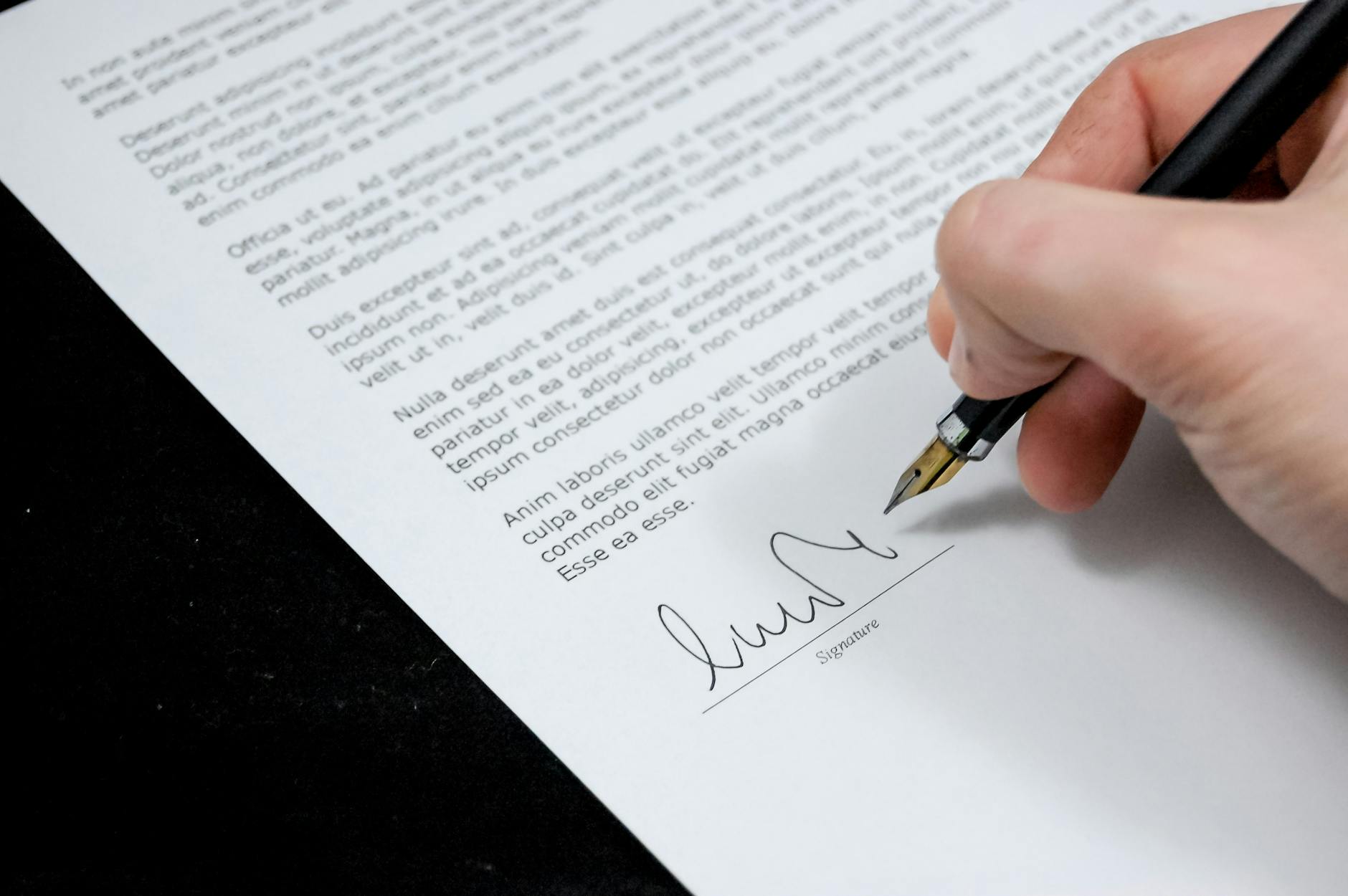
Professional Invoicing Simulator
Calculate your taxes and visualize how your official electronic invoice would look.
This simulator is for informational purposes. Always consult with your professional agency for specific cases of reverse charge or special regimes.
Best Practices and Conservation
Issuing correctly is not enough. Spanish legislation requires you to keep all your invoices (received and issued) for a minimum period of 4 years for tax purposes, and up to 6 years for commercial purposes (Commercial Code).
- Use approved software that guarantees integrity and inalterability.
- Perform cloud backups with encryption.
- Immediately associate each bank payment with its corresponding invoice.
- Use your Digital Certificate to sign PDF/XML documents.
To delve into technical aspects, you can consult the guides from Bonet Asesores or check the latest news on elEconomista.
Frequently Asked Questions about Invoicing
Can I still use Excel to make my invoices in 2026?
It is not recommended and, in most B2B cases, it is illegal. The Crea y Crece Law requires structured formats (like FacturaE) and systems that prevent data alteration without leaving a trace. Excel does not meet these technical requirements.
What happens if my client is an individual (B2C)?
For end customers, electronic invoicing is not mandatory unless the customer expressly requests it and you have the capability. However, the VeriFactu system does internally register that transaction for the Tax Agency.
What is the QR code that appears on invoices?
It is part of the VeriFactu system. It allows any receiver or inspector to scan the code and verify in real time if that invoice has been correctly registered with the Tax Agency.
Should I apply IRPF to all my clients?
No. You only apply IRPF retention when your client is another company or a freelancer resident in Spain. If your client is an individual, there is no retention. Check the details in IRPF concepts.
What is the deadline for issuing an invoice?
If the client is a freelancer or company, you have until the 16th of the month following the transaction. If it is an individual, it must be issued immediately.
Do I have to send my invoices directly to the Tax Agency?
With the VeriFactu system or the SII (Immediate Supply of Information for large companies), the submission is automatic from your management software.
What happens if I issue an invoice with the wrong VAT?
You must issue a corrective invoice canceling the previous one or correcting the difference in the quota. Never delete the original invoice.
Is the use of electronic signature mandatory?
Yes, the authenticity of the origin and the integrity of the content must be guaranteed by an advanced electronic signature based on a qualified certificate.

Ready to digitalize your business?
Don't wait for an inspection. Start invoicing legally, quickly, and securely today with the right tools.